
Investing in commercial vs residential real estate

When thinking about investing in property, people’s mind generally goes straight to villas and apartments. With that being said, investors are increasingly turning to commercial real estate which is becoming a more viable option for potential buyers. Whilst commercial and residential are both types of property, there are several key differences between them. Investment in either necessitates a solid understanding of the nuanced market factors at work, the differences in financing requirements, property management options, leasing arrangements, and a good understanding of the associated risks and drawbacks. 

Property types 

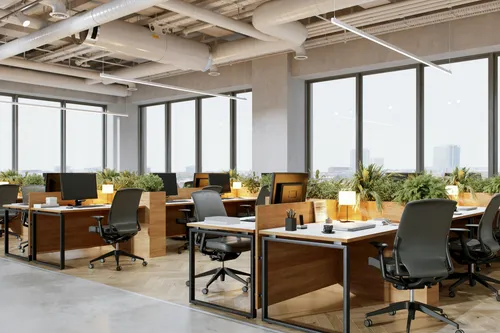
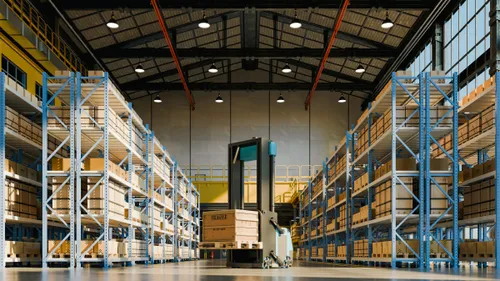
Commercial property generally refers to all real estate that is used for business or commercial purposes. This encompasses everything from office space to retail units as well as specialised property such as hotel apartments, industrial warehouses, or any other establishment where a company operates or is used to generate income. With commercial property encompassing a wide range of unit types, each with its own capabilities and benefits, it is important to understand the difference between them as well as how they can each generate an income. Office space, for instance, will generate revenue and be priced differently to a warehouse or retail unit of a similar size. Different premises require different licenses; as such, it is essential to know what type of property you wish to buy and lease, the necessary licensing it requires, as well as understand the rental possibilities for that unit. 

Financing 

Securing a commercial loan is significantly different than a residential mortgage. Commercial units tend to require a more extensive initial investment not just because they are more expensive and have higher market entry points but also because they can be harder to finance. In general, it is easier to get a residential mortgage than a commercial property loan. The loan to value rate should also be taken into consideration, as for commercial properties, they can be very low, with most banks generally requiring at least a 40% down payment. Investors should also take into account that interest rates on commercial properties are generally higher than that of a personal loan or mortgage. Whilst financing a commercial property is certainly possible, this option should be thought of carefully if your purchase is intended to be an investment opportunity. 

Property value 

The market price of a residential property is generally determined through supply and demand as well as the key property features, i.e. the number of bedrooms, bathrooms, and the amount of living space. However, determining the value of a commercial property is very different. While location and property features play a role, the primary determinant of a commercial property’s value is calculated by looking at the amount of revenue it can/will generate. As such, it can be easier to increase the value of commercial premises by making strategic decisions that will increase the amount of income the property can make. This might involve subdividing or enlarging the unit, improving the properties appearance, or changing its use, i.e. changing a unit designed as a supermarket into a restaurant. 

Rental income 

Another key difference between commercial and residential real estate is the differences in rent, both in terms of the amount, as well as how it is structured. Rent for residential properties is agreed at a set amount and is paid at set times, i.e. monthly. 

Rent for commercial property, on the other hand, can be handled in different ways. The first is the most simple, a fixed rent for a specified number of years. Another way that rent can be structured, is through a smaller fixed rent plus a percentage of turnover. This can be a lucrative option, although the landlord should do their due diligence and be confident of the tenant’s performance financially.  Investors will generally find that commercial properties will have a better ROI as rental yields tend to be a lot higher.

Financial security 

Another key difference between residential and commercial properties relates to the length of the leasing contract. Commercial real estate generally enjoys much longer lease terms. While a contract for a residential unit tends to lasts a year, companies can sign a leasing agreement for up to 3-5 years at a time. This allows investors with greater security, with a guaranteed income for a longer period of time. The flip side to this, is that commercial properties can also have much greater vacancy periods. While residential properties may only take a matter of weeks to be rented out, commercial properties can potentially take up to a year or more, which is why tenanted properties can sell at a much higher price than vacant ones. This is something that should be taken into account when considering investing in a property.

Commercial property is more elastic, meaning they are very price sensitive to market conditions. Potential buyers should be aware that residential property generally performs more consistently during economic downturns, whilst retail units and off plan properties are usually the first property types to suffer. With that being said, with residential properties being relatively inelastic, it can take longer for investors to get the same returns. Following the 2008 market crash, it took a long time for the residential property market to fully recover. With commercial property, there tends to be larger fluctuations in market prices and trends, such as the increasing prevalence of e-commerce which has had an impact on commercial property prices. Although this trend may result in a shift in demand for retail units, it is causing a surge in demand for other types of commercial properties. Compared to traditional brick and mortar stores, e-commerce is a more labour intensive process requiring more warehouse space, which may signal a trend towards more logistics based commercial spaces. We have also seen that with the increasing trend of working from home, commercial office space is heading more towards more premium units in higher quality and more strategic locations, with an added focus on employee satisfaction. This demonstrates that commercial property is a solid investment option, so long as the buyer looks at the current market conditions and makes an informed decision about where and how to invest. (Take a look at our 2021 Q1 report which provides a more in depth insight into the current market trends).  

Tenant behaviour

With commercial property, landlords deal with a company rather than an individual. As such the relationships tend to be more professional, with both parties seeing the process as more transactional. With business being the primary objective of both parties, it can make the relationships more efficient. What’s more, commercial landlords tend to have more protection under the law if the tenant fails to meet their contractual obligations, giving the landlord an added layer of security.

Residential real estate can typically be considered higher maintenance and more hands on than commercial properties, and as such commercial properties are generally easier to manage. In a commercial property, day to day maintenance issues are usually handled by the tenant. Further to this, companies typically operate normal working hours, and as such any issues that may arise with the property is handled within a working week and during the day. With residential, on the other hand, landlords can expect to be called at any time on any day.  This is definitely something to consider if you are aiming to make property investment a primary income stream or if you are planning on buying multiple units. If dealing with multiple residential properties, investors may want to consider employing a property management company to deal with maintenance issues, something that may not be required for commercial properties.


A commercial property investment may seem like an intimidating prospect, however the rewards can outweigh the risks. Whilst it is important to understand that investing in commercial property is not the same as investing in residential, both have risks and benefits associated with them. Before deciding to make an investment in commercial real estate, it would be a good idea to sit down with an experienced commercial broker or specialists in commercial property investment. A good broker will talk you through your different options and aid you through the buying process. 

For more information about property investments, please contact our team or check our properties available for sale.


Latest Insights

Dubai’s Commercial Real Estate Expansion: Structural Growth, Capital Intelligence and the Institutionalisation of a Global Investment Market

Dubai’s commercial real estate market is no longer moving through a conventional growth cycle. What we are witnessing is not a short-term rebound or speculative surge. Instead, Dubai is undergoing a structural transformation that is institutionalising its commercial property landscape and reinforcing its position as one of the world’s most strategically relevant business hubs.For investors, landlords and corporate occupiers, this shift creates measurable opportunity across office, retail and industrial real estate in Dubai.At CRC, we analyse this market evolution through data, on-ground expertise and predictive insight to help clients make informed commercial property decisions.Why Dubai’s Commercial Property Market Is Structurally Different TodayDubai’s commercial real estate growth is underpinned by:Long-term residency reforms and Golden Visa programs100% foreign ownership in key sectorsTransparent regulatory frameworksCorporate relocation to the UAESustained foreign direct investmentAI-powered real estate analytics and predictive modelingCapital entering Dubai today differs significantly from previous cycles. Investors are no longer seeking short-term gains they are establishing:Regional headquartersOperational officesLogistics hubsLong-term retail footprintsThis behavioural shift is reshaping Dubai office demand, prime retail leasing and industrial warehouse absorption across key business districts.Dubai Office Market: Flight to Quality & Grade A DemandThe Dubai office market offers the clearest signal of structural demand.Prime Grade A commercial offices in established business districts are experiencing sustained absorption from:Multinational corporationsFintech and tech firmsAdvisory and consulting practicesFamily officesRegional HQ relocations from Europe and AsiaToday’s occupiers are driven by operational necessity, not sentiment. They require:ESG-compliant buildingsSmart energy systemsAI-integrated building managementHybrid workforce layoutsPrestigious corporate addressesVacancy rates in premium towers have compressed significantly, while rental resilience remains strong in strategically located assets.For investors, this “flight to quality” signals long-term appreciation potential in well-positioned Grade A office buildings.Looking to lease or invest in Dubai office space? CRC provides strategic advisory across prime business districts.Retail Real Estate in Dubai: Experience-Driven GrowthRetail real estate in Dubai has undergone an equally meaningful evolution. While global discourse often questions the durability of physical retail in the digital age, Dubai presents a more nuanced model. The emirate’s population growth, tourism recovery beyond pre-pandemic levels and rising disposable income have created a hybrid consumer environment where experiential retail thrives alongside e-commerce. Community-based retail clusters, high-footfall mixed-use districts and curated lifestyle destinations are outperforming generic formats. The emphasis has shifted from square footage to experience density, from transactional leasing to ecosystem design. Successful retail assets are those that integrate hospitality, leisure, dining and branded experience into a cohesive environment.Industrial & Logistics Real Estate: Dubai’s Core Infrastructure AssetThe industrial and logistics sector in Dubai has evolved into a core institutional asset class.Dubai’s strategic position between East and West, combined with advanced port infrastructure and pro-trade policies, has accelerated demand for:Warehousing facilitiesDistribution hubsLast-mile logistics centersE-commerce fulfillment spacesE-commerce growth across the GCC continues to strengthen rental stability across prime industrial zones.What was once considered secondary commercial real estate is now foundational to regional trade.CRC’s industrial specialists advise on land acquisitions, warehouse leasing and logistics investment opportunities across Dubai’s key corridors.Artificial Intelligence in Dubai Commercial Real EstateImportantly, the integration of AI does not eliminate the need for advisory expertise. On the contrary, it elevates it. Data requires interpretation, contextualisation and strategic application. The emerging model of commercial real estate advisory in Dubai is hybrid, combining technological intelligence with market experience. Advisors capable of synthesizing predictive analytics with on-the-ground negotiation expertise are redefining brokerage into strategic consultancy. Macroeconomic Stability Supporting Commercial Property GrowthThe broader macroeconomic environment further reinforces Dubai’s commercial real estate momentum. The emirate’s diversification away from oil dependency, expansion of technology sectors, financial services growth and increasing SME licensing activity contribute to a stable demand foundation. Population growth continues to exert upward pressure on service-based industries, which in turn require physical commercial infrastructure. Infrastructure expansion, from transportation networks to digital connectivity, enhances accessibility and supports asset valuation.Dubai Commercial Property Investment: Strategic Positioning Over SpeculationDubai is transitioning into a mature, institutional investment environment.Commercial real estate is no longer evaluated solely on price per square foot. Sophisticated investors assess:Data intelligenceSector positioningESG complianceDemographic alignmentLong-term macroeconomic trajectoryThe skyline reflects growth but the true transformation lies in capital allocation mechanisms and predictive strategy.For investors considering entry or portfolio expansion, the opportunity lies in informed positioning, not speculative timing.Partner with CRC: Strategic Commercial Real Estate Advisory in DubaiThe future of commercial real estate in Dubai belongs to those who recognize that property is more than physical space.It is:DataStrategyInfrastructureInstitutional capitalLong-term economic confidenceAt CRC, we specialize in:Commercial property investment advisoryOffice leasing and salesRetail asset strategyIndustrial and logistics consultancyPortfolio optimisationIf you are exploring commercial real estate opportunities in Dubai, speak with our advisory team today.Contact CRC to access data-driven insight and strategic commercial property opportunities.    

Continue Reading
Investing in Retail Commercial Spaces in Dubai: 3 Post Expo Trends and Strategies to Maximise ROI

Dubai’s retail real estate market is reinventing itself.Following the global success of Expo 2020, the city has entered a new phase of commercial growth driven by lifestyle experiences, innovation and strategic long term investment. Retail spaces are no longer just transactional environments. They have evolved into destinations that combine shopping, dining, culture and entertainment under one roof.For investors, this shift presents a compelling opportunity to secure resilient assets with strong income potential and long term value appreciation.From Expo to Expansion The New Retail WaveWhen Expo 2020 concluded, some anticipated a slowdown in market activity. Instead, Dubai’s retail sector has maintained strong momentum, supported by rising tourism numbers, population growth and an expanding SME ecosystem.Recent market insights indicate a 47% growth in value YoY from 2025 to 2026. Interest has been particularly strong across lifestyle malls, experiential retail and community based retail hubs.Locations such as Dubai Hills, Bluewaters Island and City Walk continue to attract international brands, boutique operators and digital first businesses looking to establish a physical presence.As noted by Eliza Esenbek, Head of Retail and F&B at CRC Property, Expo was only the beginning. It reinforced global investor confidence in Dubai’s long term vision and accelerated the evolution of retail assets across the city.The Shift Towards Experience Driven RetailConsumer behaviour has changed significantly. Convenience alone is no longer enough. Today’s shoppers seek connection, immersion and memorable experiences.Retail destinations that integrate shopping with entertainment, dining and cultural elements consistently outperform traditional retail models. These spaces benefit from higher footfall, longer dwell times and stronger tenant demand.Leading examples include Alserkal Avenue, which blends retail with arts and design, Boxpark with its flexible open air lifestyle concept and Dubai Hills Mall which combines leisure, dining and technology driven experiences.For investors, experiential and mixed use retail assets often deliver higher rental yields and greater resilience, particularly when catering to lifestyle brands and niche operators.Location Still Matters But the Definition Has EvolvedThe principle of location remains critical but its meaning has shifted.Rather than focusing solely on high traffic streets, successful retail investors now prioritise community integration and diverse footfall sources.Residential communities with neighbourhood retail strips such as Jumeirah Village Circle and Arjan offer consistent daily demand. Tourism focused destinations including Downtown Dubai and Palm Jumeirah attract premium global brands. Emerging mixed use hubs near Expo City and Dubai South present strong long term capital growth potential.Through CRC Property, investors can explore retail opportunities across established and emerging districts, filtered by footfall profile, tenant mix and investment strategy.Digital Integration and Omnichannel ReadinessThe boundary between physical and digital retail continues to blur.Modern retail spaces must support omni-channel operations, including click and collect services, in store digital engagement and data driven customer insights. These features add measurable value for tenants and improve long term retention.Many of Dubai’s newer retail developments already incorporate smart systems such as integrated POS infrastructure, footfall analytics and intelligent lighting solutions that enhance both operational efficiency and customer experience.A New Era for Retail Investment in DubaiRetail real estate in Dubai is entering a period of transformation.Driven by technology, sustainability and experiential design, commercial retail space is evolving into a platform for connection, culture and lifestyle. For investors, success lies in identifying high growth locations, embracing flexible leasing strategies and prioritising innovation ready assets.With the guidance of CRC Property, one of Dubai’s leading commercial real estate consultancies, investors can confidently navigate this evolving landscape and secure retail assets that deliver stable income and long term value.Discover Dubai’s most promising retail investment opportunities at CRCProperty.com  

Continue Reading
The Rise of Al Maryah Island: Abu Dhabi’s Answer to DIFC

Just a decade ago, Al Maryah Island was little more than a blueprint, a promise of what Abu Dhabi’s financial future could look like.Today, that promise has been delivered.With its striking glass towers, world-class infrastructure and unmistakably global energy, Al Maryah Island has emerged as the beating heart of Abu Dhabi’s financial sector and the region’s most compelling answer to Dubai’s DIFC.This is not simply another business district. It is a statement of intent. Abu Dhabi is showing the world that it belongs at the centre of global finance.From Vision to Reality: The Rise of ADGMWhen the Abu Dhabi government first envisioned Al Maryah Island, the goal was never to create just another office cluster.The ambition was to develop a fully integrated financial ecosystem capable of competing with global hubs such as London’s Canary Wharf and Singapore’s Marina Bay.This vision became reality in 2015 with the launch of Abu Dhabi Global Market or ADGM, an independent international financial free zone operating under English Common Law and regulated to internationally recognised standards.For investors and occupiers, ADGM provided exactly what the market was seeking. Legal clarity, regulatory confidence and international credibility.Today, more than 5,000 companies operate from ADGM, including multinational banks, asset managers and fintech innovators. Global institutions such as BNP Paribas, Blackstone and JP Morgan have established a presence here, attracted by the zone’s transparency, governance framework and tax efficiency.Al Maryah Island represents the place where Abu Dhabi’s financial vision becomes tangible. According to a senior consultant at CRC Property, it combines legal sophistication with physical elegance and provides a space where global finance feels at home.Architecture That Reflects AmbitionOne look at Al Maryah’s skyline reveals everything about its character.The island’s design is modern, efficient and distinctly international. Sowwah Square forms the centerpiece and is anchored by the Abu Dhabi Securities Exchange. Surrounding it are Grade-A office towers that define the city’s business identity.Towers such as Al Sila, Al Maqam and Al Khatem stand as architectural icons, combining sleek design with state-of-the-art infrastructure. They feature high-speed connectivity, sustainability certifications and panoramic views of the city and sea.For tenants, the appeal is more than aesthetic. These buildings offer flexible floor plans, energy-efficient systems and infrastructure that reduce operational costs, placing them on par with the world’s most advanced commercial developments.Work, Live, and Prosper: The Lifestyle AdvantageAl Maryah Island is unique because business and lifestyle converge seamlessly.The Galleria, one of the UAE’s most prestigious retail destinations, is home to brands such as Louis Vuitton, Apple and Chanel, alongside fine dining and entertainment options. Luxury hotels including the Four Seasons Abu Dhabi and Rosewood provide executives with integrated work, live and play experiences without leaving the island.Pedestrian walkways, waterfront promenades and nearby residential zones on Reem Island make daily life accessible and inspiring. Why Investors Are Paying AttentionAl Maryah Island has become one of the most stable and profitable office markets in the UAE.Prime rents remain competitive, typically between AED 1,700 and AED 2,200 per square meter depending on fit-out and location. Demand continues to outpace new supply, vacancy rates remain low and long-term leases dominate, especially among institutional tenants.According to CRC Property, investor interest in the island has increased heavily, driven by strong corporate occupancy and limited speculative development. For global funds and high-net-worth investors, this translates into predictability, a rare commodity in today’s real estate market.Al Maryah offers both prestige and protection. Tenants gain an address recognised globally, backed by a market built on fundamentals.ADGM: A Magnet for Financial InnovationAl Maryah Island is now a hub for innovation. ADGM attracts fintech companies, sustainable finance initiatives and digital asset regulation projects, establishing Abu Dhabi as a global leader in these sectors.Recent initiatives, including the ADGM Sustainable Finance Declaration and the Digital Asset Framework, have positioned the island as a destination for next-generation investors and startups.This focus on innovation ensures that Al Maryah is not simply following in DIFC’s footsteps. It is building a forward-looking identity that blends finance, technology and sustainability. Startups, venture capital firms and ESG-focused investors are increasingly drawn to ADGM’s progressive legal environment and strong connectivity to international markets.Conclusion: The Capital’s Financial CrownAl Maryah Island represents more than a business district. It embodies Abu Dhabi’s identity: open, confident and globally competitive.It is a place where strategy meets skyline and where the city’s future is not only planned but lived.As the island continues to evolve, it will define how the capital works, invests and connects with the world. For those who recognise opportunity before it becomes obvious, now is the time to explore Al Maryah Island, Abu Dhabi’s crown jewel of commercial real estate.Explore premium office and investment opportunities on Al Maryah Island with CRC Property at www.crcproperty.com. 

Continue Reading
From Government Vision to Global Investment: How Abu Dhabi’s 2030 Plan Is Reshaping the Property Market

In Abu Dhabi, progress doesn’t happen by accident. It happens by design.More than fifteen years after the launch of Abu Dhabi Economic Vision 2030, the UAE’s capital is experiencing the results of one of the region’s most disciplined and forward-thinking economic strategies. From its evolving skyline to its growing role as a global investment hub, Abu Dhabi’s transformation reflects a long-term plan focused on stability, diversification and sustainable growth.At the centre of this evolution lies a powerful principle: economic diversification. And nowhere is this more visible than in Abu Dhabi’s commercial real estate market, which has become a magnet for institutional investors, multinational corporations and long-term capital.A Vision Designed to Build the FutureWhen Abu Dhabi Economic Vision 2030 was introduced, its goal was clear: reduce reliance on oil revenues and build a knowledge-based, globally competitive economy.Rather than pursuing short-term growth cycles, the government prioritised innovation, human capital and infrastructure. This deliberate, policy-led approach created an environment designed to attract long-term investors, not speculative capital.Today, the results are tangible.Strategic districts such as Al Maryah Island, home to Abu Dhabi Global Market (ADGM), Masdar City, a global hub for clean technology and Khalifa Industrial Zone Abu Dhabi (KIZAD) near Khalifa Port stand as physical expressions of the 2030 Vision. Each district demonstrates how regulation, planning and investment align to create sustainable commercial ecosystems.Economic Diversification Reshaping Property DemandAbu Dhabi’s diversification into sectors such as finance, healthcare, logistics, education, advanced manufacturing and technology has fundamentally reshaped demand across the property market.Commercial activity is no longer concentrated solely in traditional CBD areas like the Corniche or Al Markaziyah. Instead, demand has expanded across:Reem Island for Grade A officesSaadiyat Grove for mixed-use commercial and lifestyle assetsADNEC and Capital Centre for corporate, hospitality and exhibition-driven demandThese locations offer modern infrastructure, smart building design and strong digital connectivity which are all key factors for multinational occupiers.“Abu Dhabi’s strength lies in its consistency,” says Tessa Lowe at CRC Property. “The government doesn’t react to trends; it builds systems that outlast them. That’s why global investors view the capital as a safe, high-quality market for commercial real estate.”Institutional Confidence and Global Capital InflowsAbu Dhabi has long been favoured by institutional investors due to its governance, transparency and regulatory stability.Major entities such as Mubadala Investment Company and the Abu Dhabi Investment Authority (ADIA) play a dual role as global investors and master developers, anchoring confidence in the local market through flagship commercial projects.This institutional backbone has positioned Abu Dhabi as a regional financial centre with predictable returns, even during periods of global volatility. As a result, international real estate funds, family offices and sovereign investors increasingly see Abu Dhabi as a core component of their GCC diversification strategies.At CRC Property, consultants have observed a consistent rise in investor inquiries from Europe and Asia, particularly for long-term office, retail and industrial assets.The appeal is clear: low volatility, disciplined supply and steady capital appreciation, a profile that attracts what market insiders describe as “patient capital.”Urban Planning Aligned With Sustainable GrowthBeyond economics, Abu Dhabi Economic Vision 2030 has reshaped the city’s urban identity.Development is guided by principles of sustainability, connectivity and quality of life, creating districts where business, culture and lifestyle coexist. Landmark projects such as Saadiyat Cultural District, Yas Bay and Zayed City reflect a future-focused approach to urban planning.Sustainability is no longer a secondary consideration. From LEED-certified office towers to carbon-neutral masterplans, environmental responsibility is embedded into every major development.This aligns strongly with global ESG requirements, making Abu Dhabi particularly attractive to international corporates and institutional investors.A Commercial Market Built for Long-Term ValueUnlike fast-moving global property markets driven by speculation, Abu Dhabi’s commercial real estate growth is measured, data-driven and carefully managed.Supply is tightly controlled, preventing oversaturation and supporting stable rental growth. As a result, the market has demonstrated consistent performance across cycles.Key highlights include:Prime office yields averaging 7%–9%, depending on location and asset classIndustrial and logistics assets in KIZAD delivering even higher returns, driven by regional trade, manufacturing and e-commerce growthStrong demand from owner-occupiers and institutional tenants seeking long-term operational stabilityThis disciplined approach has created a market engineered for resilience and enduring value.For global investors seeking economic clarity, urban excellence and long-term trust, Abu Dhabi is not merely following a vision. It is fulfilling it.Explore Abu Dhabi’s emerging commercial investment opportunities with CRC Property → www.crcproperty.com

Continue Reading
The Green Shift: How ESG Is Redefining Commercial Real Estate in Dubai

There was a time when choosing an office in Dubai meant comparing square footage and getting that perfect view. Today, the questions are different: Is it energy-efficient? What’s its carbon footprint? Does it meet ESG standards?In the world’s fastest-growing business city, sustainability has become more than a trend it’s a fundamental value shaping investment, architecture and tenant demand. The commercial property market is going green and Dubai is leading the transformation.Walk through any of the city’s emerging business districts and you’ll feel it immediately.It’s not just smart engineering; it’s part of Dubai’s larger vision to become a carbon-neutral city by 2050. Developers have embraced sustainability as both a responsibility and a business strategy. LEED and WELL certifications are now common features in new commercial projects and even older buildings are being retrofitted to meet environmental standards. Behind this shift is a powerful global force: ESG Environmental, Social and Governance.From Luxury to NecessityA decade ago, energy-efficient buildings were seen as a luxury. Today, they’re the new minimum standard for serious investors and multinational tenants. Companies want workspaces that reflect their values sustainable, health-conscious, and forward-thinking. According to CRC Property’s Area Manager of JLT, Yogesh Yerikireddi, commercial spaces that meet sustainability benchmarks command up to 15% higher occupancy rates and lower long-term maintenance costs. “The conversation has changed,” he says, “It’s no longer ‘should we go green?’ but ‘how fast can we get there?’” This evolution is not only ethical but economic. Buildings designed with energy-efficient systems, waste reduction technologies and smart water management consistently outperform traditional ones in operational savings. For landlords, that means reduced running costs. For tenants, it means healthier, more productive environments that attract and retain talent.Dubai’s Commercial Market Goes GreenESG compliance is more than ethical, it’s actually financially strategic. Global investment funds favour sustainable assets, banks offer preferential financing for green-certified properties and Dubai’s green projects often close faster, attract international buyers and maintain stronger resale value. Beyond the environment, the “S” and “G” in ESG (social responsibility and governance) also drive value. Accessible, health-conscious buildings improve employee well-being and corporate reputation, while developers with transparent governance earn trust with investors and regulators.Dubai’s commercial property market is going green and sustainability is no longer optional as it’s core to growth, investment and innovation.How Dubai Is Leading the WayFew cities have embedded sustainability as deeply as Dubai. Government initiatives like the Dubai Clean Energy Strategy 2050, Estidama and Green Building Regulations have made eco-friendly construction a civic standard rather than a choice.Developers gain faster approvals for compliance, while tenants enjoy tax incentives and lower utility costs. From Uptown to Expo City, nearly every new business district integrates ESG principles into its design. Solar panels, green roofs, EV infrastructure and advanced recycling systems are no longer exceptions as they define the identity of modern Dubai commercial real estate.The Investor’s PerspectiveIf you are a commercial investor, ESG is no longer just a buzzword. It is now part of how decisions are made. Beyond thinking about location and potential returns, buyers are asking questions like: How sustainable is this building? How will it affect financing, tenants and even our brand?“ESG is becoming a form of currency,” says a CRC. “In the next five years, properties without sustainable features will find it much harder to compete not just in Dubai but globally.”At CRC Property, we help investors navigate this shift. Whether it is finding green-certified assets or upgrading an existing building with solar panels, energy-efficient systems, and smarter building management, the goal is the same. Sustainability should work for your business.At the end of the day, going green is not just good for the planet. It is good business too!For investors and companies ready to align profit with purpose, the moment is now.For those looking for guidance in this evolving landscape, CRC Property is here to help. We connect global capital with the next generation of sustainable commercial spaces in Dubai.Discover Dubai’s most sustainable commercial properties and investment opportunities at www.crcproperty.com  

Continue Reading
See all latest insights