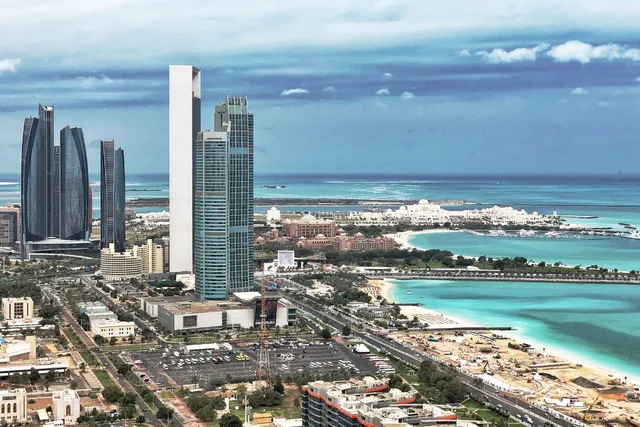
In Abu Dhabi, progress doesn’t happen by accident. It happens by design.
More than fifteen years after the launch of Abu Dhabi Economic Vision 2030, the UAE’s capital is experiencing the results of one of the region’s most disciplined and forward-thinking economic strategies. From its evolving skyline to its growing role as a global investment hub, Abu Dhabi’s transformation reflects a long-term plan focused on stability, diversification and sustainable growth.
At the centre of this evolution lies a powerful principle: economic diversification. And nowhere is this more visible than in Abu Dhabi’s commercial real estate market, which has become a magnet for institutional investors, multinational corporations and long-term capital.
A Vision Designed to Build the Future
When Abu Dhabi Economic Vision 2030 was introduced, its goal was clear: reduce reliance on oil revenues and build a knowledge-based, globally competitive economy.
Rather than pursuing short-term growth cycles, the government prioritised innovation, human capital and infrastructure. This deliberate, policy-led approach created an environment designed to attract long-term investors, not speculative capital.
Today, the results are tangible.
Strategic districts such as Al Maryah Island, home to Abu Dhabi Global Market (ADGM), Masdar City, a global hub for clean technology and Khalifa Industrial Zone Abu Dhabi (KIZAD) near Khalifa Port stand as physical expressions of the 2030 Vision. Each district demonstrates how regulation, planning and investment align to create sustainable commercial ecosystems.
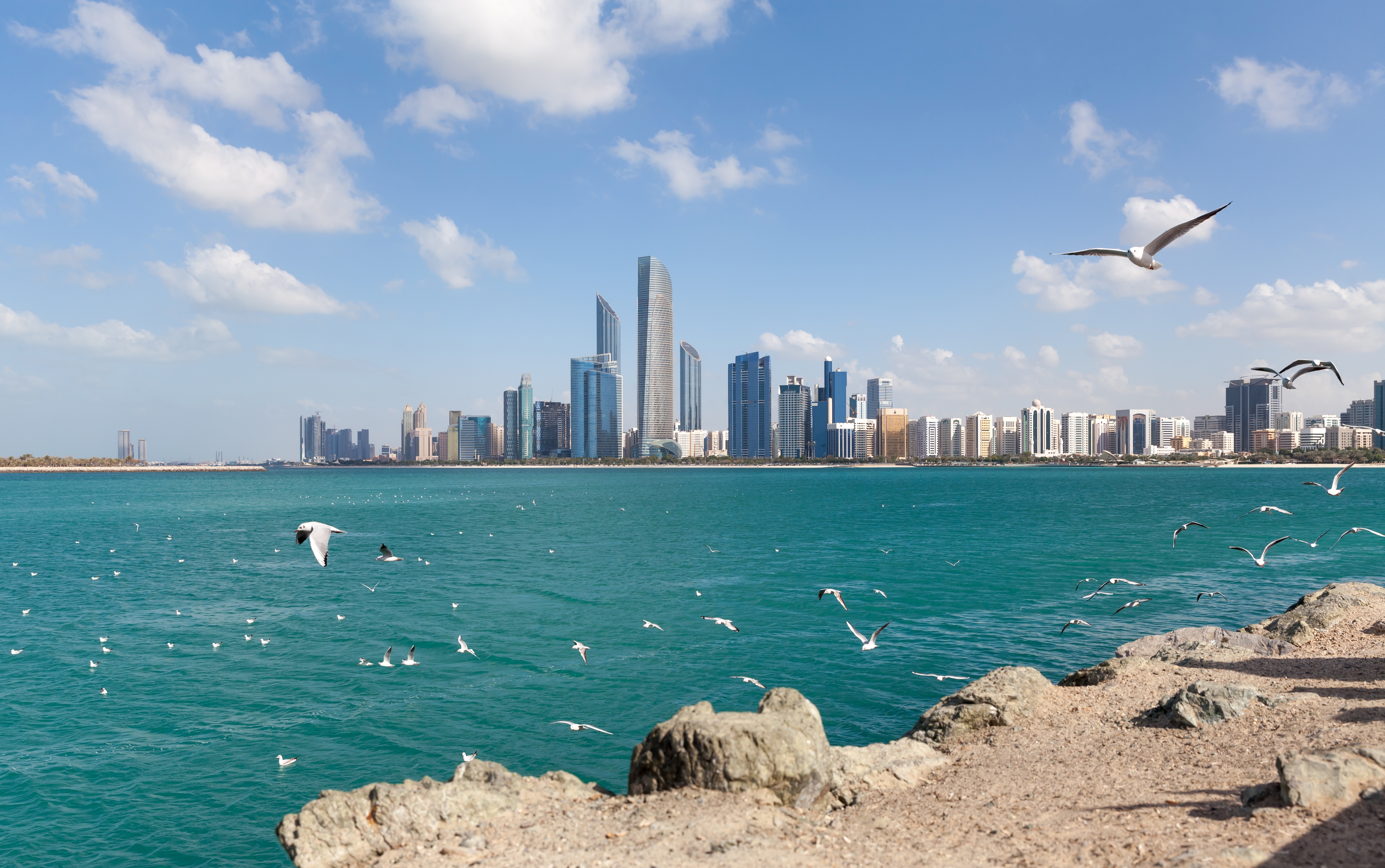
Economic Diversification Reshaping Property Demand
Abu Dhabi’s diversification into sectors such as finance, healthcare, logistics, education, advanced manufacturing and technology has fundamentally reshaped demand across the property market.
Commercial activity is no longer concentrated solely in traditional CBD areas like the Corniche or Al Markaziyah. Instead, demand has expanded across:
Reem Island for Grade A offices
Saadiyat Grove for mixed-use commercial and lifestyle assets
ADNEC and Capital Centre for corporate, hospitality and exhibition-driven demand
These locations offer modern infrastructure, smart building design and strong digital connectivity which are all key factors for multinational occupiers.
“Abu Dhabi’s strength lies in its consistency,” says Tessa Lowe at CRC Property. “The government doesn’t react to trends; it builds systems that outlast them. That’s why global investors view the capital as a safe, high-quality market for commercial real estate.”
Institutional Confidence and Global Capital Inflows
Abu Dhabi has long been favoured by institutional investors due to its governance, transparency and regulatory stability.
Major entities such as Mubadala Investment Company and the Abu Dhabi Investment Authority (ADIA) play a dual role as global investors and master developers, anchoring confidence in the local market through flagship commercial projects.
This institutional backbone has positioned Abu Dhabi as a regional financial centre with predictable returns, even during periods of global volatility.
As a result, international real estate funds, family offices and sovereign investors increasingly see Abu Dhabi as a core component of their GCC diversification strategies.
At CRC Property, consultants have observed a consistent rise in investor inquiries from Europe and Asia, particularly for long-term office, retail and industrial assets.
The appeal is clear: low volatility, disciplined supply and steady capital appreciation, a profile that attracts what market insiders describe as “patient capital.”
Urban Planning Aligned With Sustainable Growth
Beyond economics, Abu Dhabi Economic Vision 2030 has reshaped the city’s urban identity.
Development is guided by principles of sustainability, connectivity and quality of life, creating districts where business, culture and lifestyle coexist. Landmark projects such as Saadiyat Cultural District, Yas Bay and Zayed City reflect a future-focused approach to urban planning.
Sustainability is no longer a secondary consideration. From LEED-certified office towers to carbon-neutral masterplans, environmental responsibility is embedded into every major development.
This aligns strongly with global ESG requirements, making Abu Dhabi particularly attractive to international corporates and institutional investors.

A Commercial Market Built for Long-Term Value
Unlike fast-moving global property markets driven by speculation, Abu Dhabi’s commercial real estate growth is measured, data-driven and carefully managed.
Supply is tightly controlled, preventing oversaturation and supporting stable rental growth. As a result, the market has demonstrated consistent performance across cycles.
Key highlights include:
Prime office yields averaging 7%–9%, depending on location and asset class
Industrial and logistics assets in KIZAD delivering even higher returns, driven by regional trade, manufacturing and e-commerce growth
Strong demand from owner-occupiers and institutional tenants seeking long-term operational stability
This disciplined approach has created a market engineered for resilience and enduring value.
For global investors seeking economic clarity, urban excellence and long-term trust, Abu Dhabi is not merely following a vision. It is fulfilling it.
Explore Abu Dhabi’s emerging commercial investment opportunities with CRC Property → www.crcproperty.com
Table of Contents
Recent Posts
- Dubai Office Market Q3 2026 Update
- Office for Rent in Dubai: 2026 Guide to Rents, Best Areas and Costs
- Free Zone vs Mainland in Dubai: How Your Business Setup Shapes Your Office Space Needs
- Al Quoz vs Dubai South vs Dubai Industrial City: 2026 Warehouse Guide
- Office for Rent in Dubai: Areas, Prices and More in 2026