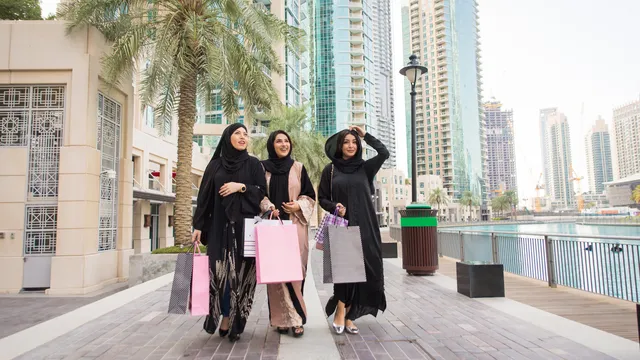
Top 5 Locations to Rent a Retail Shop in Dubai


Dubai's retail market is continuing to grow, making it a prime destination for businesses looking to rent retail spaces. 

In Q3 2024, DLD data revealed retail transactions have reflected a 33% Y-o-Y growth and the total value of transactions were recorded at an impressive AED 738.7 million, depicting healthy investor interest within the retail segment.  

Top 5 Locations to Rent a Retail Shop in Dubai 

Here’s our guide to the top locations for renting a retail shop in Dubai, each offering unique advantages to suit different types of businesses.

Top 5 locations to rent a retail shop in Dubai

#1 International City 

Dubai’s International City offers a unique blend of affordable retail spaces, diverse clientele and a strategic location. 

Known for its multicultural appeal and accessible prices, International City is an attractive option for businesses looking to reach a broad audience without the premium costs associated with other areas in Dubai.

International City is designed around different country-themed clusters, attracting a multicultural population of residents and visitors. This layout makes it a vibrant community for retail businesses targeting a variety of demographics, from families and young professionals to tourists exploring Dubai.

Moreover, unlike high-end areas such as Downtown Dubai, International City provides affordable retail spaces, allowing businesses to save on rent while tapping into a growing customer base. This cost-effectiveness is particularly appealing for small and medium-sized enterprises (SMEs) and startups.

Average rental price: AED 110-130 per sqft 

#2 Dubai Marina 

One of Dubai's most notable locations known for its scenic views and vibrant lifestyle, Dubai Marina attracts a young, affluent population. 

Dubai Marina is a bustling hub of activity, drawing significant foot traffic from both residents and tourists, particularly expatriates. 

With its scenic waterfront, towering residential buildings and vibrant nightlife, Dubai Marina attracts a diverse and steady stream of visitors. This high level of foot traffic provides an excellent opportunity for retail businesses to reach a large and varied customer base daily.

Dubai Marina is ideal for fashion, fitness, food and lifestyle brands. The area’s upscale vibe and appeal to health-conscious, style-savvy residents and visitors make it an attractive location for businesses aiming to offer quality products and services in a vibrant, trendy setting.

Rental rates in Dubai Marina are moderate to high, with prime waterfront or high-traffic areas commanding higher prices. 

However, these rates are balanced by the strong customer reach and spending power typical of Marina’s residents and visitors, making it a competitive yet rewarding location for retail ventures.

Average rental price: AED 290-310 per sqft

#3 JVC

Jumeirah Village Circle (JVC) has seen rapid growth in recent years, attracting a diverse range of residents, particularly families and young professionals. 

Although it’s more residential and less tourist-centric than areas like Dubai Marina, JVC’s community vibe and high occupancy rates ensure steady local foot traffic, making it an attractive area for neighborhood-focused retail businesses.

JVC’s family-friendly atmosphere makes it ideal for retail shops that cater to daily essentials, lifestyle needs and family-oriented products. 

Businesses such as supermarkets, cafes, fitness centers and children’s stores are particularly popular, aligning well with the preferences of JVC’s community-driven residents.

Rental rates in JVC are generally affordable to moderate, making it a cost-effective option for businesses aiming to establish a presence in Dubai without the high overhead costs found in premium areas. 

This accessibility appeals to small and medium-sized businesses that want to serve a growing residential community while keeping operational costs manageable.

Average rental price: AED 250-280 per sqft

#4 Business Bay 

Known for its modern, urban vibe, Business Bay is well-suited for retail businesses that cater to professionals and high-end clientele. 

Fashion boutiques, upscale dining, wellness centers and specialty stores thrive in this area, attracting customers looking for premium services and products in a convenient, centrally located setting.

With its high concentration of office spaces, upscale residential towers and proximity to Downtown Dubai, Business Bay sees a consistent flow of individuals throughout the day, particularly office workers, business travelers and expats.

Rental rates in Business Bay are moderate to high, with prices varying based on proximity to major landmarks, high-traffic areas and the Dubai Canal.

Average rental price: AED 270-290 per sqft

#5 Arjan

The retail landscape in Arjan is ideal for businesses that cater to everyday needs and family-oriented services. Grocery stores, cafes, fitness centers and educational facilities are well-suited to this community-focused environment.

As Arjan continues to evolve, there are ample opportunities for retail shops that offer convenience and cater to the lifestyle preferences of local residents.

It benefits from a growing population of families and young professionals, which contributes to an increasing level of foot traffic. As more residents settle in the area and new amenities open, the potential for steady customer visits is on the rise.

Rental rates in Arjan are generally more affordable compared to established neighbourhoods in Dubai, making it an attractive option for new and small businesses looking to enter the market.

Average rental price: AED 250 per sqft

Conclusion 

In summary, Dubai's diverse retail landscape presents a wealth of opportunities for businesses looking to establish themselves in key locations. 

From the affordability and multicultural appeal of International City to the upscale, vibrant atmosphere of Dubai Marina, each area has distinct advantages that cater to different market segments. 

Jumeirah Village Circle (JVC) provides a family-oriented community with steady foot traffic, while Business Bay caters to a high-end clientele in a bustling commercial environment. Meanwhile, Arjan is an up-and-coming area that offers cost-effective options for new and small businesses.

As the retail market in Dubai continues to grow, these locations represent prime opportunities for businesses aiming to thrive in this dynamic environment. 

Whether you're a startup or an established brand, choosing the right location can significantly impact your success in Dubai's competitive retail sector.

About CRC

CRC Property comprises of a team of 70+ specialist commercial consultants around the UAE. Our retail team cater to the diverse requirements of clients, whether looking for a retail shop to rent in Dubai or for sales. Covering a range of locations across the city, our team are equipped with extensive experience and market knowledge to offer lucrative investment options that suit your specific business requirements.

We understand that each client’s requirements are unique and we strive to provide personalised solutions that align with your goals. From analysing market trends to identifying prime locations, our consultants work diligently to ensure you make informed decisions that enhance your business’s growth potential. 

With CRC Property, you gain access to a wealth of expertise, comprehensive support and a network of industry connections, making us your trusted partner in navigating Dubai’s vibrant retail market.


Latest Insights

5 Ways to Set the Optimal Rent for a Commercial Property in Dubai in 2026

In Dubai’s fast-moving commercial real estate market, setting the right rental price is both an art and a science.Price it a few dirhams too high and your office, retail unit, or warehouse could sit vacant for months. Price it too low and you risk losing long-term profitability that compounds over years.Between these two extremes lies the sweet spot and in a city as dynamic as Dubai, that balance is constantly shifting.So how do landlords answer the question: “What is my commercial property really worth per square foot?”Here are five proven ways to set the right rental price, backed by market data, real-time insights and CRC Property’s on-the-ground expertise.1. Benchmark Against the Live Market — Not Just IndexesDubai Land Department (DLD) and RERA rental indexes provide a useful reference point, but they should never be your only guide.The most accurate rental pricing comes from active market benchmarking:Current asking rents for comparable propertiesRecent lease transactions in the same building or districtDemand levels by asset class (office, retail, industrial)At CRC Property, landlords benefit from real-time rental analytics, tracking live listings across Dubai and segmenting data by:LocationBuilding gradeProperty typeTenant demand2. Understand That Location Drives Rent But Purpose Defines ValueLocation remains the strongest determinant of commercial rental value in Dubai, but purpose-fit is what converts interest into signed leases.Dubai’s districts each operate on distinct economic rhythms:DIFC commands premium rents due to prestige and financial ecosystemBusiness Bay thrives on volume and accessibilityAl Quoz prioritises functionality for industrial usersJumeirah and City Walk attract lifestyle-driven retail tenantsFor example, an office in DIFC or Downtown may achieve double the rent of a similar unit just 10 minutes away because tenants pay for address, visibility and brand positioning.CRC Property advises landlords to evaluate not just where a property is, but who it is naturally suited for.3. Price for the Right Tenant, Not the Highest NumberThe highest rent on paper does not always deliver the strongest return.A stable, long-term corporate tenant paying slightly below peak market rent often outperforms:Frequent vacanciesShort-term leasesRepeated fit-out and incentive costsIn Dubai’s evolving commercial market, landlords are increasingly adopting tenant-centric pricing strategies, including:Rent-free fit-out periodsFlexible lease termsMaintenance or service incentivesIn retail and F&B sectors, performance-based or hybrid lease structures are also gaining traction.4. Time Your Listing With Market Demand CyclesDubai’s commercial rental market moves in cycles, influenced by:Economic confidenceNew business registrationsTourism and government initiativesHistorically, Q1 and Q4 see stronger leasing activity due to license renewals, company expansions and new market entrants.Listing a commercial property during peak demand periods can achieve:Faster lease-up timesStronger negotiation leverageUp to 10% higher effective rent compared to off-peak quartersCRC Property regularly advises landlords on seasonal listing strategies, ensuring rental launches align with market momentum.5. Calculate the True Return — Not Just Rent Per Sq FtThe right rental price is the one that maximises long-term yield, not just headline rent.Smart landlords assess:Net effective rent (after incentives and fit-out periods)Operating expenses (service charges, maintenance, commissions)Yield performance against acquisition cost or financingA property leased consistently at AED 180 per sq ft over five years often outperforms one priced at AED 230 that remains vacant.At CRC Property, proprietary financial models simulate multiple rent scenarios, helping investors balance:Occupancy riskCash flow stabilityLong-term capital appreciationThe CRC Property Advantage: Where Data Meets ExperienceSetting the right commercial rent in Dubai requires more than numbers alone.CRC Property combines:Market-leading data intelligenceThousands of executed lease transactionsDeep knowledge of Dubai’s evolving commercial districtsThis blend of analytics and experience allows CRC consultants to guide landlords toward optimal rental pricing, minimising vacancy while maximising returns.The Bottom LineDubai remains one of the world’s most resilient commercial real estate markets but success depends on precision.Setting the right rental price isn’t about guessing the market.It’s about understanding it.For landlords seeking to stay competitive without compromising returns, expert guidance makes all the difference.Find out what your commercial property is truly worth and explore Dubai’s latest rental trends at👉 www.crcproperty.com

Continue Reading
From Government Vision to Global Investment: How Abu Dhabi’s 2030 Plan Is Reshaping the Property Market

In Abu Dhabi, progress doesn’t happen by accident. It happens by design.More than fifteen years after the launch of Abu Dhabi Economic Vision 2030, the UAE’s capital is experiencing the results of one of the region’s most disciplined and forward-thinking economic strategies. From its evolving skyline to its growing role as a global investment hub, Abu Dhabi’s transformation reflects a long-term plan focused on stability, diversification and sustainable growth.At the centre of this evolution lies a powerful principle: economic diversification. And nowhere is this more visible than in Abu Dhabi’s commercial real estate market, which has become a magnet for institutional investors, multinational corporations and long-term capital.A Vision Designed to Build the FutureWhen Abu Dhabi Economic Vision 2030 was introduced, its goal was clear: reduce reliance on oil revenues and build a knowledge-based, globally competitive economy.Rather than pursuing short-term growth cycles, the government prioritised innovation, human capital and infrastructure. This deliberate, policy-led approach created an environment designed to attract long-term investors, not speculative capital.Today, the results are tangible.Strategic districts such as Al Maryah Island, home to Abu Dhabi Global Market (ADGM), Masdar City, a global hub for clean technology and Khalifa Industrial Zone Abu Dhabi (KIZAD) near Khalifa Port stand as physical expressions of the 2030 Vision. Each district demonstrates how regulation, planning and investment align to create sustainable commercial ecosystems.Economic Diversification Reshaping Property DemandAbu Dhabi’s diversification into sectors such as finance, healthcare, logistics, education, advanced manufacturing and technology has fundamentally reshaped demand across the property market.Commercial activity is no longer concentrated solely in traditional CBD areas like the Corniche or Al Markaziyah. Instead, demand has expanded across:Reem Island for Grade A officesSaadiyat Grove for mixed-use commercial and lifestyle assetsADNEC and Capital Centre for corporate, hospitality and exhibition-driven demandThese locations offer modern infrastructure, smart building design and strong digital connectivity which are all key factors for multinational occupiers.“Abu Dhabi’s strength lies in its consistency,” says Tessa Lowe at CRC Property. “The government doesn’t react to trends; it builds systems that outlast them. That’s why global investors view the capital as a safe, high-quality market for commercial real estate.”Institutional Confidence and Global Capital InflowsAbu Dhabi has long been favoured by institutional investors due to its governance, transparency and regulatory stability.Major entities such as Mubadala Investment Company and the Abu Dhabi Investment Authority (ADIA) play a dual role as global investors and master developers, anchoring confidence in the local market through flagship commercial projects.This institutional backbone has positioned Abu Dhabi as a regional financial centre with predictable returns, even during periods of global volatility. As a result, international real estate funds, family offices and sovereign investors increasingly see Abu Dhabi as a core component of their GCC diversification strategies.At CRC Property, consultants have observed a consistent rise in investor inquiries from Europe and Asia, particularly for long-term office, retail and industrial assets.The appeal is clear: low volatility, disciplined supply and steady capital appreciation, a profile that attracts what market insiders describe as “patient capital.”Urban Planning Aligned With Sustainable GrowthBeyond economics, Abu Dhabi Economic Vision 2030 has reshaped the city’s urban identity.Development is guided by principles of sustainability, connectivity and quality of life, creating districts where business, culture and lifestyle coexist. Landmark projects such as Saadiyat Cultural District, Yas Bay and Zayed City reflect a future-focused approach to urban planning.Sustainability is no longer a secondary consideration. From LEED-certified office towers to carbon-neutral masterplans, environmental responsibility is embedded into every major development.This aligns strongly with global ESG requirements, making Abu Dhabi particularly attractive to international corporates and institutional investors.A Commercial Market Built for Long-Term ValueUnlike fast-moving global property markets driven by speculation, Abu Dhabi’s commercial real estate growth is measured, data-driven and carefully managed.Supply is tightly controlled, preventing oversaturation and supporting stable rental growth. As a result, the market has demonstrated consistent performance across cycles.Key highlights include:Prime office yields averaging 7%–9%, depending on location and asset classIndustrial and logistics assets in KIZAD delivering even higher returns, driven by regional trade, manufacturing and e-commerce growthStrong demand from owner-occupiers and institutional tenants seeking long-term operational stabilityThis disciplined approach has created a market engineered for resilience and enduring value.For global investors seeking economic clarity, urban excellence and long-term trust, Abu Dhabi is not merely following a vision. It is fulfilling it.Explore Abu Dhabi’s emerging commercial investment opportunities with CRC Property → www.crcproperty.com

Continue Reading
The Green Shift: How ESG Is Redefining Commercial Real Estate in Dubai

There was a time when choosing an office in Dubai meant comparing square footage and getting that perfect view. Today, the questions are different: Is it energy-efficient? What’s its carbon footprint? Does it meet ESG standards?In the world’s fastest-growing business city, sustainability has become more than a trend it’s a fundamental value shaping investment, architecture and tenant demand. The commercial property market is going green and Dubai is leading the transformation.Walk through any of the city’s emerging business districts and you’ll feel it immediately.It’s not just smart engineering; it’s part of Dubai’s larger vision to become a carbon-neutral city by 2050. Developers have embraced sustainability as both a responsibility and a business strategy. LEED and WELL certifications are now common features in new commercial projects and even older buildings are being retrofitted to meet environmental standards. Behind this shift is a powerful global force: ESG Environmental, Social and Governance.From Luxury to NecessityA decade ago, energy-efficient buildings were seen as a luxury. Today, they’re the new minimum standard for serious investors and multinational tenants. Companies want workspaces that reflect their values sustainable, health-conscious, and forward-thinking. According to CRC Property’s Area Manager of JLT, Yogesh Yerikireddi, commercial spaces that meet sustainability benchmarks command up to 15% higher occupancy rates and lower long-term maintenance costs. “The conversation has changed,” he says, “It’s no longer ‘should we go green?’ but ‘how fast can we get there?’” This evolution is not only ethical but economic. Buildings designed with energy-efficient systems, waste reduction technologies and smart water management consistently outperform traditional ones in operational savings. For landlords, that means reduced running costs. For tenants, it means healthier, more productive environments that attract and retain talent.Dubai’s Commercial Market Goes GreenESG compliance is more than ethical, it’s actually financially strategic. Global investment funds favour sustainable assets, banks offer preferential financing for green-certified properties and Dubai’s green projects often close faster, attract international buyers and maintain stronger resale value. Beyond the environment, the “S” and “G” in ESG (social responsibility and governance) also drive value. Accessible, health-conscious buildings improve employee well-being and corporate reputation, while developers with transparent governance earn trust with investors and regulators.Dubai’s commercial property market is going green and sustainability is no longer optional as it’s core to growth, investment and innovation.How Dubai Is Leading the WayFew cities have embedded sustainability as deeply as Dubai. Government initiatives like the Dubai Clean Energy Strategy 2050, Estidama and Green Building Regulations have made eco-friendly construction a civic standard rather than a choice.Developers gain faster approvals for compliance, while tenants enjoy tax incentives and lower utility costs. From Uptown to Expo City, nearly every new business district integrates ESG principles into its design. Solar panels, green roofs, EV infrastructure and advanced recycling systems are no longer exceptions as they define the identity of modern Dubai commercial real estate.The Investor’s PerspectiveIf you are a commercial investor, ESG is no longer just a buzzword. It is now part of how decisions are made. Beyond thinking about location and potential returns, buyers are asking questions like: How sustainable is this building? How will it affect financing, tenants and even our brand?“ESG is becoming a form of currency,” says a CRC. “In the next five years, properties without sustainable features will find it much harder to compete not just in Dubai but globally.”At CRC Property, we help investors navigate this shift. Whether it is finding green-certified assets or upgrading an existing building with solar panels, energy-efficient systems, and smarter building management, the goal is the same. Sustainability should work for your business.At the end of the day, going green is not just good for the planet. It is good business too!For investors and companies ready to align profit with purpose, the moment is now.For those looking for guidance in this evolving landscape, CRC Property is here to help. We connect global capital with the next generation of sustainable commercial spaces in Dubai.Discover Dubai’s most sustainable commercial properties and investment opportunities at www.crcproperty.com  

Continue Reading
Flexible vs Traditional Offices in Dubai: Which Model Suits Your Business Best?

Dubai’s office market has entered a new era one defined not by square footage but by flexibility. As global companies reimagine the way they work, the city’s commercial spaces are rapidly adapting, offering businesses more choice than ever before. The question facing today’s executives is no longer “where should we open an office?” but “what kind of office is right for us?” And in Dubai, that decision can make all the difference between agility and inefficiency.A Market in MotionIn the post-pandemic era, Dubai’s office market hasn’t just recovered, it has evolved. Demand for flexible and hybrid workspace solutions has surged as businesses reassess how space supports performance, culture and growth.Recent industry data shows flex office leasing growing by over 20% in 2024, while traditional office occupancy has remained resilient across prime business districts such as Downtown Dubai, Business Bay and Dubai Internet City.This isn’t a contradiction, it’s more of a recalibration.Globally, companies are prioritising scalability, employee well-being and cost efficiency which are all areas where flexible workspaces excel. At the same time, traditional offices continue to offer clear advantages in stability, brand presence, customisation and long-term return on investment.Two models. Two philosophies.Both thriving but for very different reasons.So, which one truly fits your business?Let’s break it down.Flexible Offices: Agility and EfficiencyFlexible offices, also known as serviced or co-working spaces, allow companies to rent fully equipped workspaces on short-term, all-inclusive contracts. They typically include utilities, meeting rooms, reception services and maintenance all managed by the operator. Advantages include: Short-term commitment: start or scale with minimal risk. Cost predictability: one invoice covering rent, utilities and amenities. Networking opportunities: ideal for startups, freelancers and SMEs. Plug-and-play setup: move in and start working immediately. These benefits have made flexible offices a favorite among tech startups, creative agencies and multinational firms entering the UAE market for the first time. Locations such as JLT, Dubai Hills Business Park and Dubai Design District (d3) have become hotspots for flexible space operators. Traditional Offices: Control and IdentityWhile flexibility has become a defining theme of the modern workplace, many established organisations continue to favour traditional leased offices and for good reason. These spaces provide a level of control, consistency and brand ownership that flexible models often cannot replicate.Traditional offices allow businesses to fully customise their environment, from layout and fit-out to branding and security, making them especially suitable for companies where confidentiality, regulation or bespoke operational needs are critical.Key benefits include:Brand authority: Dedicated signage, customised interiors, and a strong corporate identityLong-term cost efficiency: Lower cost per square foot across multi-year lease termsScalability and control: Freedom to reconfigure space as teams evolveProfessional presence: Particularly suited to law firms, financial institutions, and government contractorsDubai’s most sought-after commercial addresses, including Emaar Square, Dubai International Financial Centre (DIFC) and Dubai Marina Plaza continue to attract top-tier tenants looking for permanence, prestige and long-term strategic positioning.For businesses with a clear growth trajectory and a strong brand to protect, traditional offices remain a powerful foundation.Which Model Is Right for You?Business TypeRecommended OptionWhyStartups & SMEsFlexible OfficeMinimal setup cost, scalability and networking accessEstablished CorporatesTraditional OfficeStrong brand identity, data security and space customisationProject-Based TeamsServiced OfficeShort-term leases with ready-to-use facilitiesInternational BranchesHybrid SolutionCombine flexible co-working zones with a central HQThe Financial PerspectiveFrom a cost standpoint, flexible offices typically come with higher monthly rates per square foot but require minimal upfront investment, making them attractive for businesses seeking short-term agility or testing the market.In contrast, traditional offices demand larger deposits and fit-out expenses, yet they often deliver better long-term value, especially for companies with stable growth plans and predictable space requirements.Today, both investors and occupiers are leveraging ROI analysis and occupancy forecasting to identify the optimal balance between flexibility and cost efficiency.Dubai’s regulatory landscape supports both office models seamlessly. Landlords increasingly provide customised lease terms, while mainland and free zone frameworks offer visa, licensing and operational flexibility, perfectly accommodating hybrid workplace strategies.The right choice isn’t just about space… it’s about financial strategy, operational needs and growth potential.ConclusionDubai’s office sector is no longer one-size-fits-all, it’s a dynamic marketplace built around business needs. Whether you’re a startup seeking agility or a corporation aiming for long-term presence, the right workspace can define your success in the UAE. With deep expertise in the local market, CRC Property helps companies identify, negotiate, and secure the office solutions that best align with their goals from flexible plug-and-play suites to flagship corporate headquarters. Find your ideal office space in Dubai today → www.crcproperty.com

Continue Reading
Dubai’s Smart-Building Revolution: How Technology Is Redefining the Modern Office

Dubai’s skyline has long symbolised ambition with glass towers, steel structures, and architectural innovation at every turn. But behind the façades, a quiet transformation is unfolding. Dubai’s offices are getting smarter.Across Sheikh Zayed Road, DIFC, Dubai Silicon Oasis and beyond, a new generation of commercial buildings is emerging with offices that think, respond and adapt to the people who use them. The smart-building revolution is here, and it’s reshaping how businesses work, invest and engage with their space.Beyond Glass and Concrete: The Rise of Intelligent WorkspacesA decade ago, selecting an office was mainly about location, size and budget. Today, forward-thinking companies are prioritising one key factor: intelligence.Smart buildings integrate technologies such as IoT (Internet of Things) sensors, artificial intelligence, and advanced automation to monitor and optimise everything from air quality to energy usage in real time.Lights adjust automatically based on occupancyHVAC systems learn employees’ habits and patternsMaintenance issues are detected before disruptions occur“It’s no longer science fiction,” says a senior commercial consultant at CRC Property. “These systems save energy, improve comfort and drive sustainability, which is a benefit for both tenants and investors.”Dubai Leads the Global Smart-Building MovementWhile smart buildings are gaining momentum worldwide, Dubai stands out as a global pioneer.Supported by government initiatives such as Smart Dubai 2030 and the Dubai 2040 Urban Master Plan, the emirate is rapidly becoming one of the most technologically advanced commercial real estate markets in the world.Developers are now integrating AI-driven systems into lighting, cooling, water management, energy optimisation and predictive maintenance. According to DEWA, these innovations deliver:Up to 30% energy savingsImproved indoor air quality and employee comfortHigher ROI for building owners, with smart offices achieving premium rental ratesFor companies and investors, Dubai’s smart-building ecosystem offers both operational benefits and long-term financial value.What Makes a Building “Smart”?A smart building isn’t defined by gadgets, it’s defined by seamless integration.Behind the scenes, hundreds of interconnected sensors and AI platforms collect real-time data on how the building is used. This data is used to make micro-adjustments that reduce waste, enhance comfort and streamline building operations.Key Smart-Building FeaturesIoT sensors monitoring occupancy, temperature and air qualityAI-driven lighting and HVAC systemsSmart access control using facial recognition or mobile IDsCentralised building management dashboardsPredictive maintenance alertsThese technologies support Dubai’s growing focus on ESG performance, energy efficiency and sustainable leasing strategies.Smart Buildings Shaping Dubai’s Commercial LandscapeSeveral of Dubai’s commercial landmarks are already defining the smart-building era:One Central, DWTC – Fully integrated Building Management Systems with real-time energy optimisationDubai Silicon Oasis Headquarters – IoT-enabled environmental controls and solar energy integrationThe Edge by Select Group – AI-powered lighting and climate systems that adapt to daily activity patternsThese buildings demonstrate how digital transformation is elevating not only functionality but also tenant experience and asset value.The Business Case: Why Smart Offices MatterFor companies, smart buildings offer tangible operational and financial advantages:Lower utility costsReduced maintenance downtimeEnhanced comfort and productivity for employeesStrong alignment with corporate ESG requirementsFor investors and landlords, the benefits are equally significant:Higher occupancy ratesPremium rental yieldsStronger long-term valuationsAppeal to multinational tenants seeking advanced, sustainable spacesIn a competitive market like Dubai, smart technology is no longer optional, it’s a differentiator.Preparing for the Smart Future with CRC PropertyWhether you’re searching for your next office or upgrading an existing asset, one message is clear: the future of commercial real estate is digital.CRC Property recommends beginning with a technology readiness assessment to evaluate current building performance and identify opportunities for automation and integration.From scalable solutions like smart lighting to fully integrated building management platforms, upgrading today can unlock substantial long-term value.At its core, smart-building technology aims to deliver three outcomes:efficiency, comfort and sustainability.Dubai is shifting from static structures to living, learning ecosystems that evolve with their occupants and CRC Property is here to guide businesses and investors through this transition.Explore Smart Offices in Dubai with CRC PropertyDiscover Dubai’s most advanced commercial spaces and unlock the benefits of smart-building technology.Visit → www.crcproperty.comYour next intelligent workspace is only a click away.  

Continue Reading
See all latest insights