How to get the best warehouse rent deals in Dubai?

If you’re looking for the best warehouse rental deals in Dubai, you’ll need to know where and what to look for. This blog will give tips on finding the best deals on warehouse rentals in Dubai.

Do your research

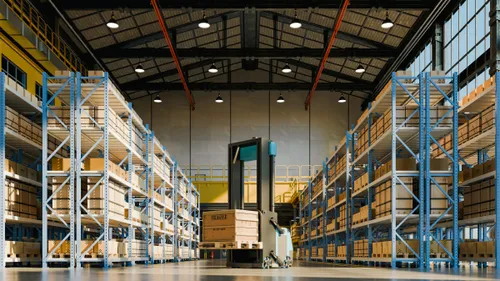
When finding the best warehouse rent deals in Dubai, there are a few key places that you should look. One great place to start your search is online. Several websites list warehouses for rent in Dubai, so you can easily compare prices and find the perfect option. There are many options, and it’s important to find the one that’s right for your business. You need to decide what type of warehouse you need. There are climate-controlled warehouses, cold storage warehouses, and general storage warehouses. Each has benefits and drawbacks, so you must decide which is right for you. You can find the perfect warehouse for your business in Dubai with a little research.

Off-season rental deals

The best time to look for warehouse rental deals in Dubai is during the off-season, which runs from May to September. This is when demand for storage space is at its lowest, so you can negotiate better terms with landlords. Here are some tips on how to get the best off-season rental deals in Dubai:

Start your search early

The earlier you start your search for an off-season rental, the better your chances of finding a great deal. Landlords are more likely to offer discounts to tenants who sign up early, so start looking for warehouses in May or June.

Haggle for a better deal

Once you’ve found a few potential warehouses that meet your requirements, it’s time to start negotiating with landlords. Remember, they’re also trying to fill their units during the off-season, so don’t be afraid to haggle over price and terms. There are a few things to remember when haggling for warehouse rent in Dubai.

  • Remember that Dubai is a competitive market – so don’t be afraid to ask for what you want.
  • Be prepared to leave the deal if you don’t get what you want.
  • Don’t be afraid to ask for help from a professional negotiator.

With these tips in mind, you should be able to get the best possible deal on your warehouse rental in Dubai. Following these tips, you can save big on your next warehouse rental in Dubai.

Look for long-term rentals

In today’s market, it’s important to think long-term when renting a warehouse in Dubai. By signing a long-term lease, you can lock in a lower rate for your rental space. This is especially important if you plan on doing business in Dubai for the long haul. Some of the benefits of long-term rentals are:

You Have More Flexibility: You have more flexibility regarding the terms of your lease. For example, you may be able to negotiate a longer lease term or get some additional perks (such as free parking or storage space).

You Can Build Up Equity: If you’re looking to rent a warehouse long-term, you can often build up equity in the property. This means that if you decide to sell or lease the property down the line, you’ll be able to get more money for it than if you’d only rented it for a short period.

You Can Make Improvements: With a long-term rental, you can improve the property to increase its value. For example, you may be able to add shelving or mezzanine floors, making it more attractive to potential tenants.

You’ll Have Peace Of Mind: Knowing you have a long-term rental agreement can give you peace of mind and allow you to focus on other aspects of your business. You won’t have to worry about finding another warehouse at the end of your lease or dealing with landlords constantly raising the rent.

Shopping around and comparing rates is important when looking for a long-term rental. Be sure to ask about any discounts available for signing a long-term lease.

Check the location

When renting a warehouse in Dubai, it’s important to check the location. The location of the warehouse will affect the price, so it’s important to find a location that is convenient for your needs. If you ship products to customers, you will want a warehouse close to the major transportation routes. This will minimize the shipping costs. Check the surrounding area for hazards or nuisances that could affect your business.

Compare multiple warehouses

There are a few things to remember when comparing warehouses in Dubai.

Price

You’ll want to find a warehouse that fits within your budget. But don’t just focus on the monthly rental price. Look at the long-term costs, such as any fees for renewing your lease or for ending your lease early.

Size

The size of the warehouse is an important consideration. You will need to determine the size of the space you need for your inventory and any other equipment you may need to store in the warehouse. You’ll want to ensure the warehouse is big enough to accommodate your needs, but you don’t want to pay for space you’re not using. Be sure to ask about discounts for renting a larger or smaller warehouse than you originally anticipated.

Special features or amenities

Some warehouses might have office space included or be located in an industrial park with other businesses that could benefit your business. Be sure to ask about these things to decide which warehouse is right for you.

Durability of the structure

The durability of a warehouse’s structure is an important consideration when signing a lease. A well-built warehouse can withstand heavy equipment and foot traffic wear and tear, while a poorly constructed one may not. The last thing you want is for your goods to get damaged by a collapsing roof or walls.

When considering the durability of a potential warehouse, it’s important to look at the materials used in its construction. For example, brick or concrete walls are more durable than wooden ones. The roof is also important – metal roofs are more durable than asphalt shingles, which can be damaged by hail or high winds.

It’s also important to consider the age of the warehouse. A newer building will likely be more durable than an older one, as it will have been built with modern construction techniques and materials. However, an older warehouse may have been well-maintained and still in good condition. It’s worth asking the landlord about the warranty on the structure. Knowing that you’ll be covered if something goes wrong can give you peace of mind.

Don’t settle for the first offer

Don’t settle for the first offer when renting a warehouse in Dubai. There is a lot of competition in the market, so be sure to shop around and compare rates. Do not consider the deal if you don’t get what you want. Working with a professional negotiator who can help you get the best deal possible is also a good idea.

By following these tips, you can be sure to get the best deal on your rental.


Latest Insights

The Green Shift: How ESG Is Redefining Commercial Real Estate in Dubai

There was a time when choosing an office in Dubai meant comparing square footage and getting that perfect view. Today, the questions are different: Is it energy-efficient? What’s its carbon footprint? Does it meet ESG standards?In the world’s fastest-growing business city, sustainability has become more than a trend it’s a fundamental value shaping investment, architecture and tenant demand. The commercial property market is going green and Dubai is leading the transformation.Walk through any of the city’s emerging business districts and you’ll feel it immediately.It’s not just smart engineering; it’s part of Dubai’s larger vision to become a carbon-neutral city by 2050. Developers have embraced sustainability as both a responsibility and a business strategy. LEED and WELL certifications are now common features in new commercial projects and even older buildings are being retrofitted to meet environmental standards. Behind this shift is a powerful global force: ESG Environmental, Social and Governance.From Luxury to NecessityA decade ago, energy-efficient buildings were seen as a luxury. Today, they’re the new minimum standard for serious investors and multinational tenants. Companies want workspaces that reflect their values sustainable, health-conscious, and forward-thinking. According to CRC Property’s Area Manager of JLT, Yogesh Yerikireddi, commercial spaces that meet sustainability benchmarks command up to 15% higher occupancy rates and lower long-term maintenance costs. “The conversation has changed,” he says, “It’s no longer ‘should we go green?’ but ‘how fast can we get there?’” This evolution is not only ethical but economic. Buildings designed with energy-efficient systems, waste reduction technologies and smart water management consistently outperform traditional ones in operational savings. For landlords, that means reduced running costs. For tenants, it means healthier, more productive environments that attract and retain talent.Dubai’s Commercial Market Goes GreenESG compliance is more than ethical, it’s actually financially strategic. Global investment funds favour sustainable assets, banks offer preferential financing for green-certified properties and Dubai’s green projects often close faster, attract international buyers and maintain stronger resale value. Beyond the environment, the “S” and “G” in ESG (social responsibility and governance) also drive value. Accessible, health-conscious buildings improve employee well-being and corporate reputation, while developers with transparent governance earn trust with investors and regulators.Dubai’s commercial property market is going green and sustainability is no longer optional as it’s core to growth, investment and innovation.How Dubai Is Leading the WayFew cities have embedded sustainability as deeply as Dubai. Government initiatives like the Dubai Clean Energy Strategy 2050, Estidama and Green Building Regulations have made eco-friendly construction a civic standard rather than a choice.Developers gain faster approvals for compliance, while tenants enjoy tax incentives and lower utility costs. From Uptown to Expo City, nearly every new business district integrates ESG principles into its design. Solar panels, green roofs, EV infrastructure and advanced recycling systems are no longer exceptions as they define the identity of modern Dubai commercial real estate.The Investor’s PerspectiveIf you are a commercial investor, ESG is no longer just a buzzword. It is now part of how decisions are made. Beyond thinking about location and potential returns, buyers are asking questions like: How sustainable is this building? How will it affect financing, tenants and even our brand?“ESG is becoming a form of currency,” says a CRC. “In the next five years, properties without sustainable features will find it much harder to compete not just in Dubai but globally.”At CRC Property, we help investors navigate this shift. Whether it is finding green-certified assets or upgrading an existing building with solar panels, energy-efficient systems, and smarter building management, the goal is the same. Sustainability should work for your business.At the end of the day, going green is not just good for the planet. It is good business too!For investors and companies ready to align profit with purpose, the moment is now.For those looking for guidance in this evolving landscape, CRC Property is here to help. We connect global capital with the next generation of sustainable commercial spaces in Dubai.Discover Dubai’s most sustainable commercial properties and investment opportunities at www.crcproperty.com  

Continue Reading
Flexible vs Traditional Offices in Dubai: Which Model Suits Your Business Best?

Dubai’s office market has entered a new era one defined not by square footage but by flexibility. As global companies reimagine the way they work, the city’s commercial spaces are rapidly adapting, offering businesses more choice than ever before. The question facing today’s executives is no longer “where should we open an office?” but “what kind of office is right for us?” And in Dubai, that decision can make all the difference between agility and inefficiency.A Market in MotionIn the post-pandemic era, Dubai’s office market hasn’t just recovered, it has evolved. Demand for flexible and hybrid workspace solutions has surged as businesses reassess how space supports performance, culture and growth.Recent industry data shows flex office leasing growing by over 20% in 2024, while traditional office occupancy has remained resilient across prime business districts such as Downtown Dubai, Business Bay and Dubai Internet City.This isn’t a contradiction, it’s more of a recalibration.Globally, companies are prioritising scalability, employee well-being and cost efficiency which are all areas where flexible workspaces excel. At the same time, traditional offices continue to offer clear advantages in stability, brand presence, customisation and long-term return on investment.Two models. Two philosophies.Both thriving but for very different reasons.So, which one truly fits your business?Let’s break it down.Flexible Offices: Agility and EfficiencyFlexible offices, also known as serviced or co-working spaces, allow companies to rent fully equipped workspaces on short-term, all-inclusive contracts. They typically include utilities, meeting rooms, reception services and maintenance all managed by the operator. Advantages include: Short-term commitment: start or scale with minimal risk. Cost predictability: one invoice covering rent, utilities and amenities. Networking opportunities: ideal for startups, freelancers and SMEs. Plug-and-play setup: move in and start working immediately. These benefits have made flexible offices a favorite among tech startups, creative agencies and multinational firms entering the UAE market for the first time. Locations such as JLT, Dubai Hills Business Park and Dubai Design District (d3) have become hotspots for flexible space operators. Traditional Offices: Control and IdentityWhile flexibility has become a defining theme of the modern workplace, many established organisations continue to favour traditional leased offices and for good reason. These spaces provide a level of control, consistency and brand ownership that flexible models often cannot replicate.Traditional offices allow businesses to fully customise their environment, from layout and fit-out to branding and security, making them especially suitable for companies where confidentiality, regulation or bespoke operational needs are critical.Key benefits include:Brand authority: Dedicated signage, customised interiors, and a strong corporate identityLong-term cost efficiency: Lower cost per square foot across multi-year lease termsScalability and control: Freedom to reconfigure space as teams evolveProfessional presence: Particularly suited to law firms, financial institutions, and government contractorsDubai’s most sought-after commercial addresses, including Emaar Square, Dubai International Financial Centre (DIFC) and Dubai Marina Plaza continue to attract top-tier tenants looking for permanence, prestige and long-term strategic positioning.For businesses with a clear growth trajectory and a strong brand to protect, traditional offices remain a powerful foundation.Which Model Is Right for You?Business TypeRecommended OptionWhyStartups & SMEsFlexible OfficeMinimal setup cost, scalability and networking accessEstablished CorporatesTraditional OfficeStrong brand identity, data security and space customisationProject-Based TeamsServiced OfficeShort-term leases with ready-to-use facilitiesInternational BranchesHybrid SolutionCombine flexible co-working zones with a central HQThe Financial PerspectiveFrom a cost standpoint, flexible offices typically come with higher monthly rates per square foot but require minimal upfront investment, making them attractive for businesses seeking short-term agility or testing the market.In contrast, traditional offices demand larger deposits and fit-out expenses, yet they often deliver better long-term value, especially for companies with stable growth plans and predictable space requirements.Today, both investors and occupiers are leveraging ROI analysis and occupancy forecasting to identify the optimal balance between flexibility and cost efficiency.Dubai’s regulatory landscape supports both office models seamlessly. Landlords increasingly provide customised lease terms, while mainland and free zone frameworks offer visa, licensing and operational flexibility, perfectly accommodating hybrid workplace strategies.The right choice isn’t just about space… it’s about financial strategy, operational needs and growth potential.ConclusionDubai’s office sector is no longer one-size-fits-all, it’s a dynamic marketplace built around business needs. Whether you’re a startup seeking agility or a corporation aiming for long-term presence, the right workspace can define your success in the UAE. With deep expertise in the local market, CRC Property helps companies identify, negotiate, and secure the office solutions that best align with their goals from flexible plug-and-play suites to flagship corporate headquarters. Find your ideal office space in Dubai today → www.crcproperty.com

Continue Reading
Dubai’s Smart-Building Revolution: How Technology Is Redefining the Modern Office

Dubai’s skyline has long symbolised ambition with glass towers, steel structures, and architectural innovation at every turn. But behind the façades, a quiet transformation is unfolding. Dubai’s offices are getting smarter.Across Sheikh Zayed Road, DIFC, Dubai Silicon Oasis and beyond, a new generation of commercial buildings is emerging with offices that think, respond and adapt to the people who use them. The smart-building revolution is here, and it’s reshaping how businesses work, invest and engage with their space.Beyond Glass and Concrete: The Rise of Intelligent WorkspacesA decade ago, selecting an office was mainly about location, size and budget. Today, forward-thinking companies are prioritising one key factor: intelligence.Smart buildings integrate technologies such as IoT (Internet of Things) sensors, artificial intelligence, and advanced automation to monitor and optimise everything from air quality to energy usage in real time.Lights adjust automatically based on occupancyHVAC systems learn employees’ habits and patternsMaintenance issues are detected before disruptions occur“It’s no longer science fiction,” says a senior commercial consultant at CRC Property. “These systems save energy, improve comfort and drive sustainability, which is a benefit for both tenants and investors.”Dubai Leads the Global Smart-Building MovementWhile smart buildings are gaining momentum worldwide, Dubai stands out as a global pioneer.Supported by government initiatives such as Smart Dubai 2030 and the Dubai 2040 Urban Master Plan, the emirate is rapidly becoming one of the most technologically advanced commercial real estate markets in the world.Developers are now integrating AI-driven systems into lighting, cooling, water management, energy optimisation and predictive maintenance. According to DEWA, these innovations deliver:Up to 30% energy savingsImproved indoor air quality and employee comfortHigher ROI for building owners, with smart offices achieving premium rental ratesFor companies and investors, Dubai’s smart-building ecosystem offers both operational benefits and long-term financial value.What Makes a Building “Smart”?A smart building isn’t defined by gadgets, it’s defined by seamless integration.Behind the scenes, hundreds of interconnected sensors and AI platforms collect real-time data on how the building is used. This data is used to make micro-adjustments that reduce waste, enhance comfort and streamline building operations.Key Smart-Building FeaturesIoT sensors monitoring occupancy, temperature and air qualityAI-driven lighting and HVAC systemsSmart access control using facial recognition or mobile IDsCentralised building management dashboardsPredictive maintenance alertsThese technologies support Dubai’s growing focus on ESG performance, energy efficiency and sustainable leasing strategies.Smart Buildings Shaping Dubai’s Commercial LandscapeSeveral of Dubai’s commercial landmarks are already defining the smart-building era:One Central, DWTC – Fully integrated Building Management Systems with real-time energy optimisationDubai Silicon Oasis Headquarters – IoT-enabled environmental controls and solar energy integrationThe Edge by Select Group – AI-powered lighting and climate systems that adapt to daily activity patternsThese buildings demonstrate how digital transformation is elevating not only functionality but also tenant experience and asset value.The Business Case: Why Smart Offices MatterFor companies, smart buildings offer tangible operational and financial advantages:Lower utility costsReduced maintenance downtimeEnhanced comfort and productivity for employeesStrong alignment with corporate ESG requirementsFor investors and landlords, the benefits are equally significant:Higher occupancy ratesPremium rental yieldsStronger long-term valuationsAppeal to multinational tenants seeking advanced, sustainable spacesIn a competitive market like Dubai, smart technology is no longer optional, it’s a differentiator.Preparing for the Smart Future with CRC PropertyWhether you’re searching for your next office or upgrading an existing asset, one message is clear: the future of commercial real estate is digital.CRC Property recommends beginning with a technology readiness assessment to evaluate current building performance and identify opportunities for automation and integration.From scalable solutions like smart lighting to fully integrated building management platforms, upgrading today can unlock substantial long-term value.At its core, smart-building technology aims to deliver three outcomes:efficiency, comfort and sustainability.Dubai is shifting from static structures to living, learning ecosystems that evolve with their occupants and CRC Property is here to guide businesses and investors through this transition.Explore Smart Offices in Dubai with CRC PropertyDiscover Dubai’s most advanced commercial spaces and unlock the benefits of smart-building technology.Visit → www.crcproperty.comYour next intelligent workspace is only a click away.  

Continue Reading
Abu Dhabi’s Commercial Real Estate Awakening: The Capital’s New Era of Investment

For years, Abu Dhabi has been known as the UAE’s political heart measured, deliberate and quietly powerful. But today, something new is happening across the capital’s skyline. Tower cranes rise beside the waterfront, business parks hum with new activity and foreign investors are beginning to look south from Dubai and see a market ready for transformation. Abu Dhabi’s commercial real estate sector is no longer the sleeping giant of the Gulf. It’s awake and it’s moving with purpose.From Stability to MomentumWhile Dubai has built its reputation on speed and spectacle, Abu Dhabi has built on solidity. The emirate’s real estate market is underpinned by some of the region’s strongest fundamentals: government-backed infrastructure, transparent regulation and long-term urban planning. Now, those foundations are translating into accelerated commercial growth. New business districts such as Al Maryah Island, Reem Island, and Khalifa Industrial Zone (KIZAD) are attracting both multinational corporations and regional SMEs seeking stability and value. Office occupancy rates in prime areas are climbing, retail spaces are diversifying and industrial assets are emerging as the backbone of the UAE’s diversification strategy. “Abu Dhabi offers something unique in the Gulf, predictable growth with minimal volatility,” says Tessa Lowe, Manager at CRC Property Abu Dhabi. “Investors who once saw the capital as conservative now see it as secure, strategic and increasingly profitable.”Economic Vision Meets Real Estate RealityThe driving force behind Abu Dhabi’s transformation is the Economic Vision 2030, a roadmap that aims to reduce oil dependency and build a knowledge-driven economy. The plan has already begun reshaping the commercial landscape, with targeted investments in finance, logistics, healthcare and renewable energy. Free zones such as Abu Dhabi Global Market (ADGM) on Al Maryah Island have positioned the city as a credible financial alternative to Dubai’s DIFC, while areas like Masdar City are setting global benchmarks for sustainable business hubs. These districts combine modern infrastructure with investor-friendly policies 100% foreign ownership, simplified licensing and tax exemptions making Abu Dhabi one of the most secure commercial destinations in the GCC.The New Investment HotspotsAcross the capital, several key areas are redefining what commercial success looks like: Al Maryah Island – The city’s new financial core, home to ADGM, luxury offices and five-star amenities. Al Reem Island – A vibrant mixed-use zone connecting residential, retail and workspace ecosystems. KIZAD & ICAD – Industrial and logistics powerhouses with direct access to Khalifa Port, attracting manufacturing, e-commerce and warehousing investors. Yas Bay & Saadiyat Grove – Lifestyle-driven districts combining office, retail and entertainment the future face of Abu Dhabi’s urban culture. These developments reflect a clear pattern: diversification through design. Instead of competing directly with Dubai’s fast-turnover model, Abu Dhabi is building long-term value rooted in infrastructure, sustainability and quality.Resilient Demand and Strong Yields While the global real estate market has faced turbulence, Abu Dhabi’s commercial sector has remained remarkably steady. According to CRC Property’s market insights, prime office rents in the capital have risen between 6% and 9% year-on-year, with retail and industrial assets showing even higher growth in select zones. Average yields remain among the best in the region, ranging from 7% to 10% for well-positioned commercial assets a figure supported by consistent occupancy and limited speculative oversupply. For institutional investors, this blend of growth and protection is rare. It’s what turns Abu Dhabi from a quiet neighbor into a global contender.Why the Smart Money Is Moving South There’s a growing shift in investor sentiment especially from Europe and Asia towards the UAE’s capital. As Dubai’s core districts mature, investors are looking for the next cycle of value creation. Abu Dhabi offers lower entry prices, robust governance and the backing of sovereign institutions such as Mubadala and ADIA, which collectively ensure the city’s financial resilience.CRC Property’s Role in the Capital’s Expansion As the UAE’s leading commercial real estate consultancy, CRC Property has been at the forefront of this shift, connecting global investors with vetted opportunities across Abu Dhabi. From high-yield retail units in Al Reem Island to industrial plots in KIZAD, CRC’s team combines local insight with global perspective helping clients navigate regulations, evaluate returns and secure properties aligned with long-term objectives. The firm’s growing presence in the capital reflects a wider truth: Abu Dhabi’s time has come. In an unpredictable world, stability has become a luxury and Abu Dhabi offers it in abundance. The city’s commercial market is entering a golden era one defined not by speculation but by strategy, structure and sustainability. It’s a place where capital is protected, growth is measured and opportunity is quietly but powerfully compounding. For investors seeking not just profit but permanence, Abu Dhabi is no longer the alternative it’s the advantage. Explore commercial investments and office opportunities in Abu Dhabi with CRC Property → www.crcproperty.com

Continue Reading
The 2024-25 Boom in Dubai’s Commercial Real Estate Market: Key Figures & What They Mean for Investors

Dubai’s commercial real estate market continues its impressive upward trajectory, with total sales transactions reaching AED 90.1 billion in 2024, a 24% increase compared to the previous year. The surge reflects investor confidence across all key sectors: office, retail and industrial.CRC Property's latest Q3 2025 commercial property market report reports over 3,431 transactions during the last quarter, totaling a value of AED 30.38 billion.Breaking Down the NumbersOffice sectorDubai’s office market continued its strong performance in 2025, with both sales value and transaction volumes showing solid growth. Total office sales reached AED 3.1 billion across 1,153 units. The top performing locations were:Business BayJLTMajanJVCBarsha HeightsRetail sectorDubai’s retail real estate market experienced a significant rebound in Q3 2025, with total transaction value rising to AED 1.15 billion across 437 deals — up 95% quarter-on-quarter (QoQ) and 55% year-on-year (YoY). Transaction volumes mirrored this momentum, climbing 88% QoQ and 37% YoY, marking the strongest quarterly performance since 2022.This sharp recovery followed a subdued Q2, reflecting renewed confidence among both investors and end users as market sentiment strengthened in the second half of the year. Additionally, new retail supply entered the market, with several upcoming projects also announced.Industrial sectorWhile smaller in overall transaction volume, the industrial and logistics segment continues to gain traction. The rise of e-commerce, manufacturing and supply-chain re-shoring is fuelling demand for warehouses and distribution hubs. Key free zones such as Jebel Ali and Dubai South remain hotspots for investors seeking stable yields and long-term growth opportunities.What This Means for InvestorsThe momentum across all segments of Dubai’s commercial real estate market underlines the importance of strategic investment decisions.Timing is critical: With prices on the rise, early investors stand to capture more capital appreciation.Diversification pays off: A balanced portfolio across office, retail and industrial assets can help mitigate risk and enhance returns.Leverage data-driven insights: Working with agencies that provide comprehensive market analytics and neighbourhood-level data ensures informed decision-making and maximised yield potential.Outlook for 2026Looking ahead, Dubai’s office market is set for expansion, with several high-profile projects in the pipeline, including the Immersive Tower in DIFC and Uptown Dubai Phase 2, expected to add around 1,400 new office units by 2028. In addition to multiple leading Grade A commercial office towers such as Omniyat's Lumena, Lumena Alta, HQ by Rove, Enara. While this upcoming supply may moderate rent growth in the longer term, strong economic fundamentals, foreign investment inflows and population growth are expected to sustain overall demand.Partner with CRC for Market Insights and OpportunitiesAt CRC Property, our research team continuously tracks market trends, rental performance and investment yields to help clients make data-driven decisions. Whether you’re looking to buy, sell or lease commercial real estate in Dubai, our experts provide sector-specific guidance to ensure your investment aligns with current and future market dynamics.Contact us today for a free consultation.  

Continue Reading
See all latest insights